

Sciatica Chiropractor Near Me in Fort Collins | Fix the Root Cause of Sciatic Nerve Pain
If you are searching for a sciatica chiropractor near me, chances are you are dealing with pain that starts in the lower back or hip and travels down the leg. Sciatica can range from mild irritation to severe nerve pain that makes it difficult to sit, walk, or sleep comfortably.
At Heart & Hand Chiropractic in Fort Collins, we focus on identifying and correcting the mechanical causes of sciatic nerve irritation. Many people assume sciatica is simply a disc problem, but in reality, several different spinal structures can contribute to nerve irritation—including discs, spinal alignment, posture, and even small joints in the spine called facet joints.
Understanding the true cause of your sciatic nerve pain is the first step toward long-term relief.
What Sciatica Really Is
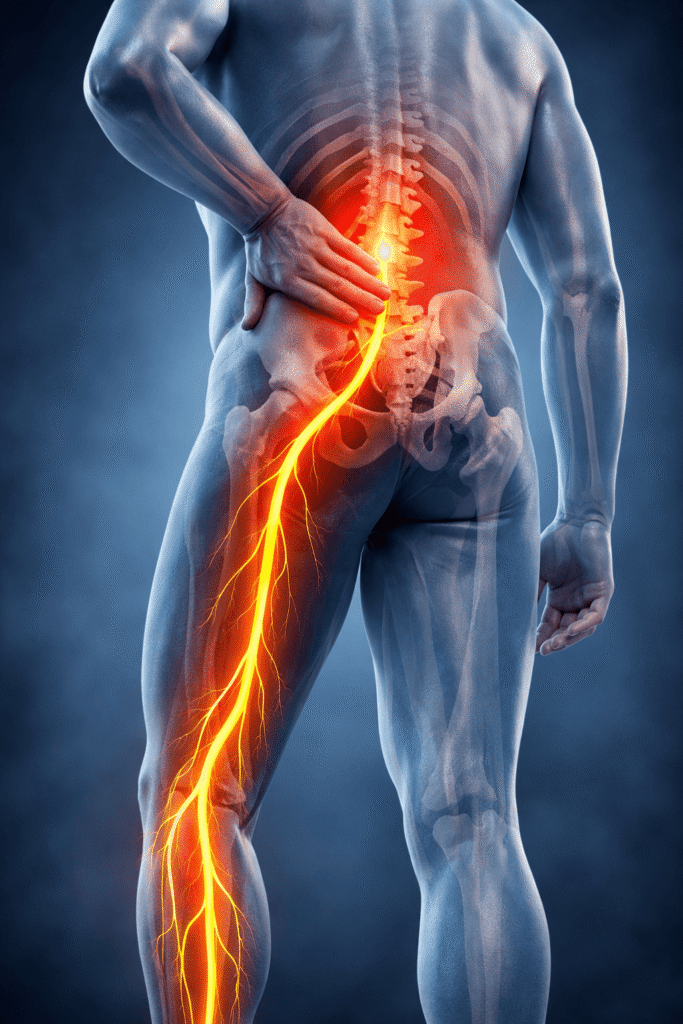
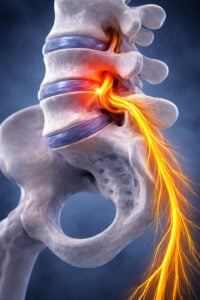
Sciatica is not actually a condition itself. It is a symptom caused by irritation of the sciatic nerve, the largest nerve in the body.
The sciatic nerve originates from nerve roots in the lower spine (L4–S3) and travels through the pelvis and down the back of the leg.
When these nerve roots become irritated or compressed, symptoms may occur anywhere along the nerve pathway.
Common symptoms include:
pain in the lower back or buttock
pain radiating down the leg
numbness or tingling in the leg or foot
burning or electric sensations
weakness in the leg or foot
For many people searching for a chiropractor for sciatica in Fort Collins, the underlying cause is mechanical stress within the spine.
Common Symptoms of Sciatica
Sciatic nerve irritation can produce a variety of symptoms depending on which nerve roots are involved.
Radiating Leg Pain
Pain often begins in the lower back or buttock and travels down the back of the leg.
Burning or Electric Pain
Some patients describe sciatica as sharp, shooting, or electric pain.
Numbness or Tingling
Pins and needles sensations may occur in the thigh, calf, or foot..
Weakness in the Leg or Foot
Muscle weakness can occur if the nerve is significantly compressed.
Pain That Worsens With Sitting
Many patients report increased symptoms when sitting for long periods, especially during desk work or driving.
The Most Common Causes of Sciatica
Several spinal conditions can irritate the sciatic nerve.
Herniated or Bulging Disc
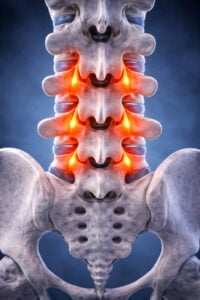
When a spinal disc bulges or herniates, it may press on nearby nerve roots.
Spinal Degeneration
Degenerative changes in the spine can narrow nerve openings.
Piriformis Syndrome
Tightness in the piriformis muscle in the hip can irritate the sciatic nerve.
Lumbar Curve Abnormalities
When the natural curves of the spine becomes altered, nerve pressure may increase.
While discs often receive the most attention with sciatica, they are not the only structures capable of causing sciatic symptoms.
The Often Overlooked Role of the Facet Joints
One important but often overlooked contributor to back and sciatic pain is the facet joints.
Facet joints are small joints located at the back of each spinal segment. Their job is to guide movement and stabilize the spine.
Each spinal level has two facet joints, and they work together with the disc to distribute mechanical stress.
Over time, altered mechanics in the spine can cause these joints to carry abnormal loads.
Common factors that stress facet joints include:
poor posture
prolonged sitting
repetitive bending
loss of spinal curves
years of mechanical stress
When facet joints become irritated or restricted, they may produce pain patterns that mimic disc injuries or sciatica.
Facet joint irritation can cause:
buttock pain
pain into the thigh
muscle spasms
nerve irritation
Because the symptoms can overlap, facet-related pain is sometimes misdiagnosed as a disc problem.
Restoring proper motion to these joints is often an important part of relieving spinal stress.
Why Spinal Compression Happens
Several mechanical patterns can lead to nerve irritation in the lower spine.
Disc Compression (Y-Axis Compression)
The discs between the vertebrae act like cushions that absorb shock and allow movement.
Over time, discs may lose height or bulge outward. When this happens, pressure inside the disc increases and may irritate nearby nerves.
Spinal decompression therapy is often used to reduce this pressure.
Decompression works by:
gently separating the vertebrae
lowering pressure inside the disc
improving fluid exchange
reducing nerve root irritation
This can allow the disc to begin healing while relieving pressure on the sciatic nerve.
Loss or Excess of the Spinal Curves (Z-Axis Misalignment)
The lower spine normally has a forward curve called lumbar lordosis.
When this curve becomes too flat or too exaggerated, nerve openings may narrow and increase pressure on spinal nerves.
Corrective traction can help restore the proper curve in the spine.
This type of traction is sometimes referred to as Z-axis traction, which focuses on restoring spinal alignment rather than simply stretching the spine.
Restoring the normal curve can improve spinal biomechanics and reduce nerve irritation.
Postural Compression From Desk Work
Modern lifestyles often involve long hours sitting at computers.
One common posture problem is posterior thoracic translation, where the upper body shifts behind the pelvis.
When this happens, the spine may compensate by flattening the lower back.
Over time, this posture can:
increase disc pressure
stress the facet joints
compress nerve openings
Correcting these postural patterns may involve spinal adjustments, traction, and posture exercises.
Why Chiropractic Adjustments Are the First Step
Many patients have already tried:
stretching
traction
decompression
but still experience persistent pain.
One reason is that restricted spinal joints must be restored before other therapies can work effectively.
If a spinal joint—especially a facet joint—is not moving properly, traction or stretching may:
be ineffective
increase irritation
place additional stress on inflamed tissues
Chiropractic adjustments help by restoring normal motion and alignment to the spinal joints.
When joint mobility improves, pressure on discs and nerves often decreases.
In many cases, the most effective sequence of care looks like this:
Step 1 — Restore joint mobility with chiropractic adjustments
Step 2 — Reduce disc pressure through spinal decompression
Step 3 — Correct spinal alignment with traction and posture correction
Addressing the problem in the correct order can significantly improve results.
How Chiropractic Care Helps Sciatica
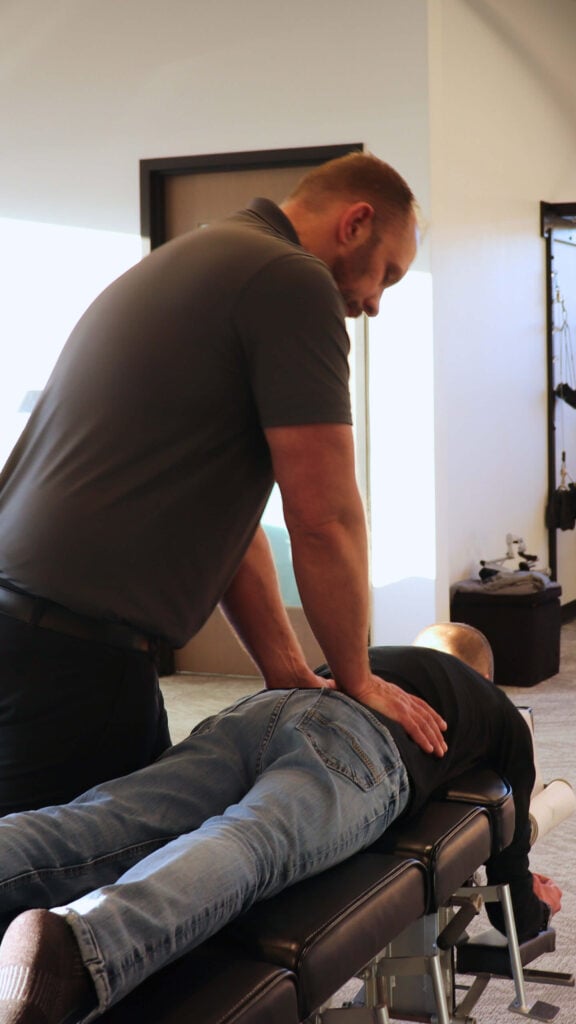
Chiropractic Adjustments
Adjustments restore movement to restricted spinal joints and reduce mechanical stress on nerves.
Spinal Decompression Therapy
Decompression reduces pressure inside spinal discs and can relieve nerve compression.
Corrective Traction
Traction may be used to restore spinal curves and improve spinal alignment.
Postural Rehabilitation
Exercises and posture training help stabilize the spine and prevent recurring irritation.
In-Office Traction vs Home Traction
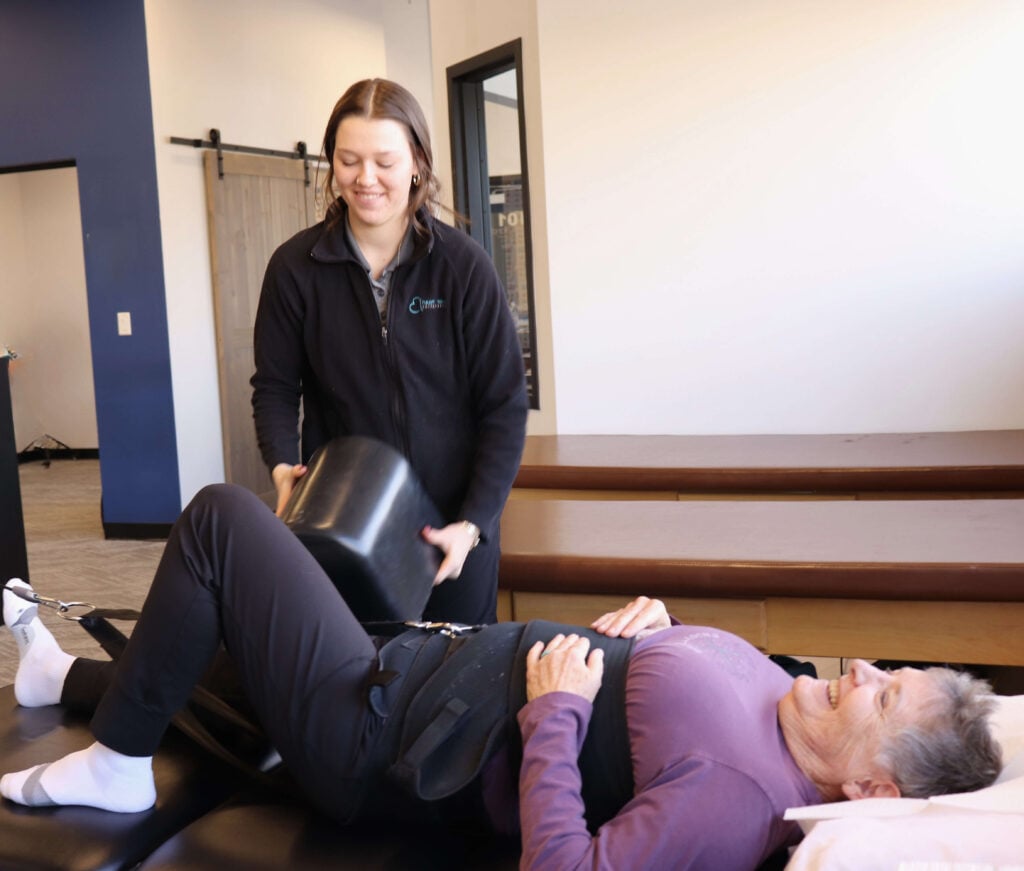
Traction can be used both in the office and at home to support spinal correction.
In-Office Traction
In-office traction allows the doctor to control the angle and intensity of the traction.
Benefits include:
customized positioning
controlled environment
monitored progress
Home Traction
Home traction devices may be recommended to support long-term improvement.
These devices help reinforce the progress made during office visits and may assist with spinal correction over time.
How Long Sciatica Recovery Takes
Healing timelines vary depending on the cause and severity of the problem.
Different tissues heal at different speeds:
| Tissue | Typical Healing Time |
|---|---|
| Disc | weeks to months |
| Ligaments | 6–12 weeks |
| Muscles | days to weeks |
| Nerve irritation | varies |
Consistent care and correction of the underlying spinal issue often lead to the best outcomes.
When Sciatica Is an Emergency
Although most cases of sciatica respond well to conservative care, certain symptoms require immediate medical attention.
These include:
loss of bowel or bladder control
progressive leg weakness
numbness in the saddle area
These symptoms may indicate cauda equina syndrome, a serious medical condition.
What to Expect at Your First Visit at Heart & Hand Chiropractic
If you are looking for a chiropractor for sciatica near Fort Collins, your first visit typically includes several steps.
Consultation and health history
Posture and spinal evaluation
Orthopedic and neurological testing
X-ray analysis if necessary
A personalized care plan designed to address the cause of the problem
Our goal is not simply to reduce pain but to identify and correct the mechanical stress that caused the problem.
Sciatica Chiropractor Near Me in Fort Collins
At Heart & Hand Chiropractic in Fort Collins, our focus is helping patients restore spinal function and improve long-term health.
Depending on the cause of your symptoms, care may include:
chiropractic adjustments
spinal decompression therapy
corrective traction
posture rehabilitation
By addressing spinal mechanics, many patients experience relief from sciatic nerve irritation and improved mobility.
Frequently Asked Questions
Can a chiropractor help sciatica?
Yes. Chiropractic care focuses on restoring proper motion and alignment in the spine, which can reduce nerve irritation and relieve sciatic pain.
Does spinal decompression work for sciatica?
Spinal decompression may help reduce pressure inside spinal discs and relieve nerve compression in some cases.
How long does chiropractic care for sciatica take?
Recovery varies depending on the severity of the condition and how long the problem has been present.
Is traction safe for sciatica?
Traction can be helpful when used appropriately and when spinal joints are functioning properly.
Can poor posture cause sciatica?
Yes. Long periods of sitting and poor posture can increase stress on the spine and contribute to nerve irritation.