
By Dr. Ryan Pilsner, DC, Heart & Hand Chiropractic, Fort Collins, CO
Holiday week means phones, cars, couches, and laptops. Here is a simple daily reset you can do anywhere.
Why screens and necks do not always get along
Think about where your head goes when you read a text. Most of us drift forward and down toward the screen, and we stay there longer than we realize. Your neck and upper back are built to move, not to hold one position for an hour at a time.
The simplest tech neck exercises start with two ideas: change position often, and bring the screen up toward your eyes instead of bringing your head down to the screen. The six steps below put those ideas into a short routine you can do at a desk, on the couch, or at the in-laws’ house.
A short neck reset after screens. This is not a correction of your x-ray. This is a general mobility snack. Stop and get checked if symptoms spread.
You need: a sturdy chair with a back, a doorway, and your phone or laptop.
Step 1. FLIP, Dr. Curtis Fedorchuk’s neck reset sequence (3 sets of 20, 10 second hold)
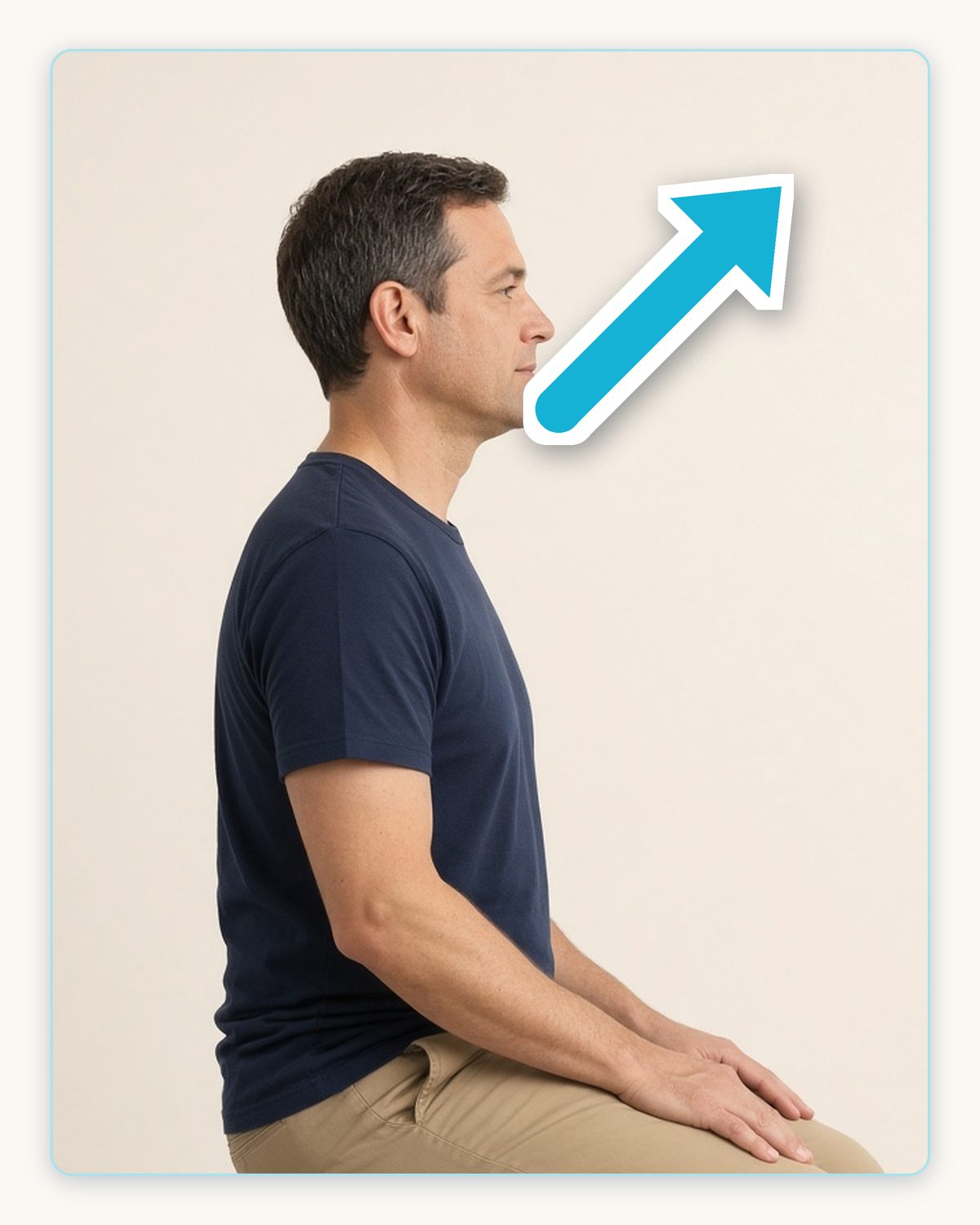
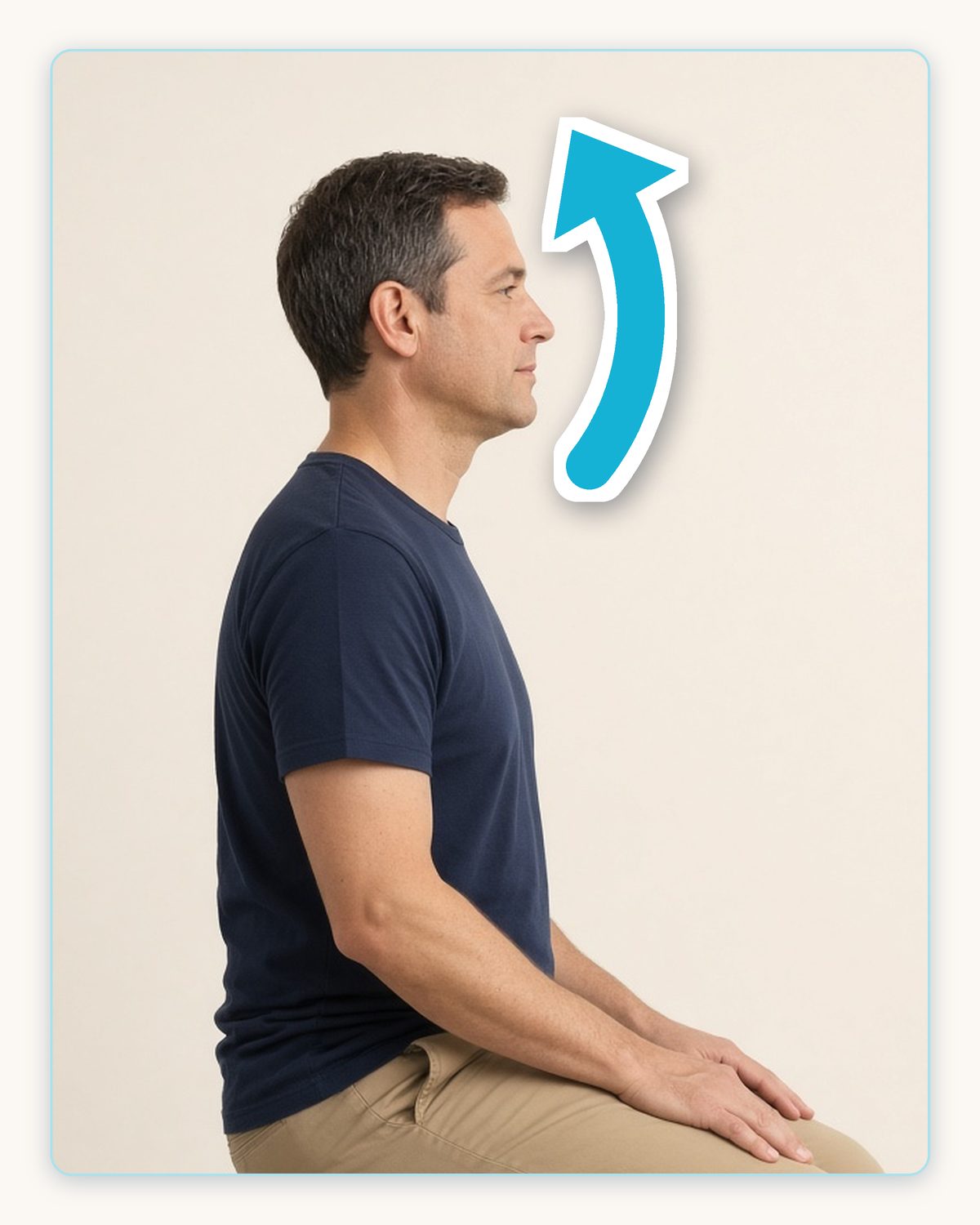
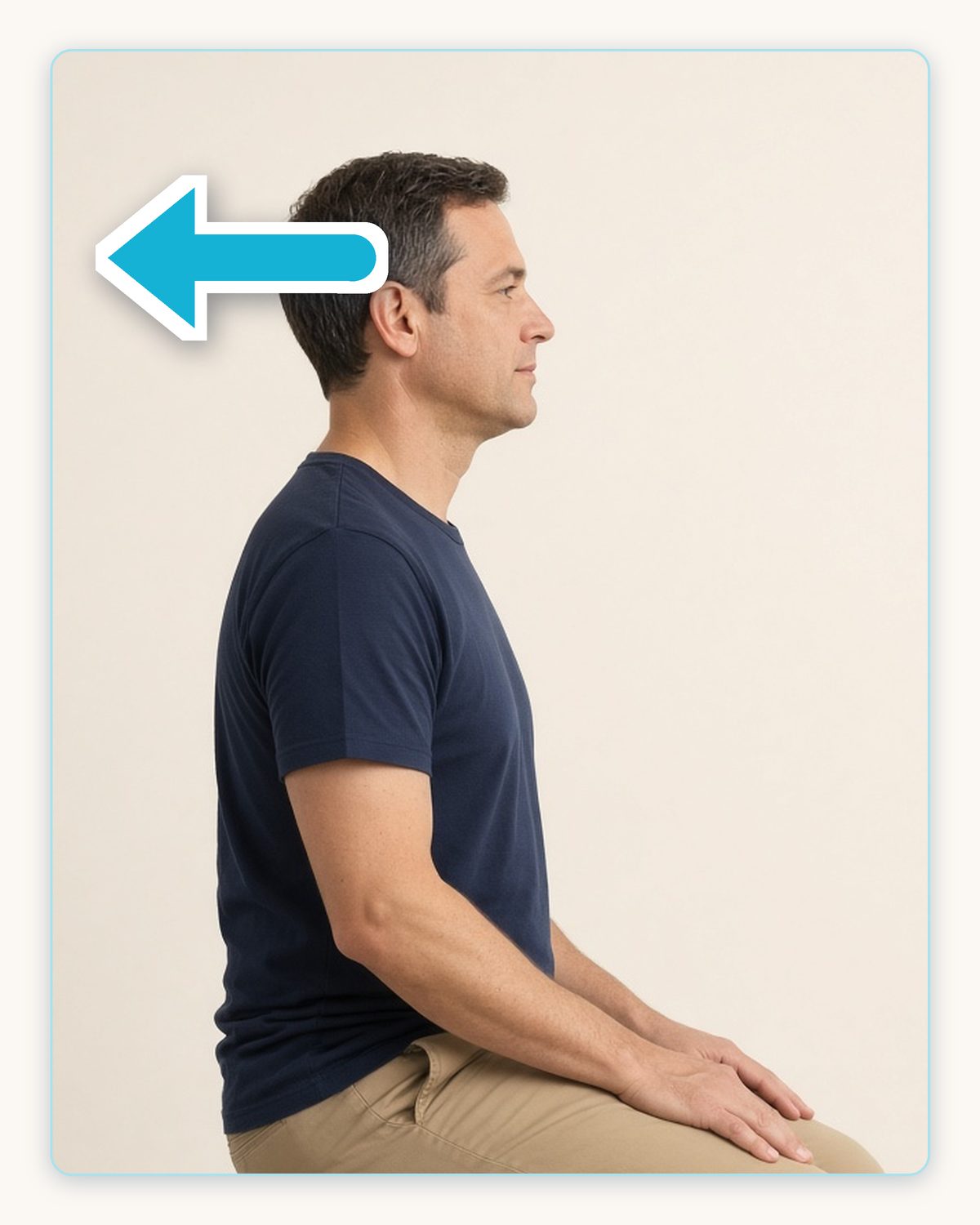
Dr. Fedorchuk calls this 3-step routine FLIP. Sit tall. Gently slide your head forward. Then lift your chin a little so the front of your neck lengthens into a soft C. Keeping that C, glide your whole head back over your shoulders and hold for 10 seconds. Relax. Repeat 20 times, rest, and do 3 sets. This is not a double chin tuck; it opens the front of the neck first, then glides back. Stop if you feel dizzy, see spots, or if pain, numbness, or tingling spreads into an arm. If you have a history of disc herniation, vascular symptoms, or recent trauma, skip this one and get checked in the office first.
Step 2. Shoulder blade squeeze (8 to 10 reps, 3 to 5 second holds)
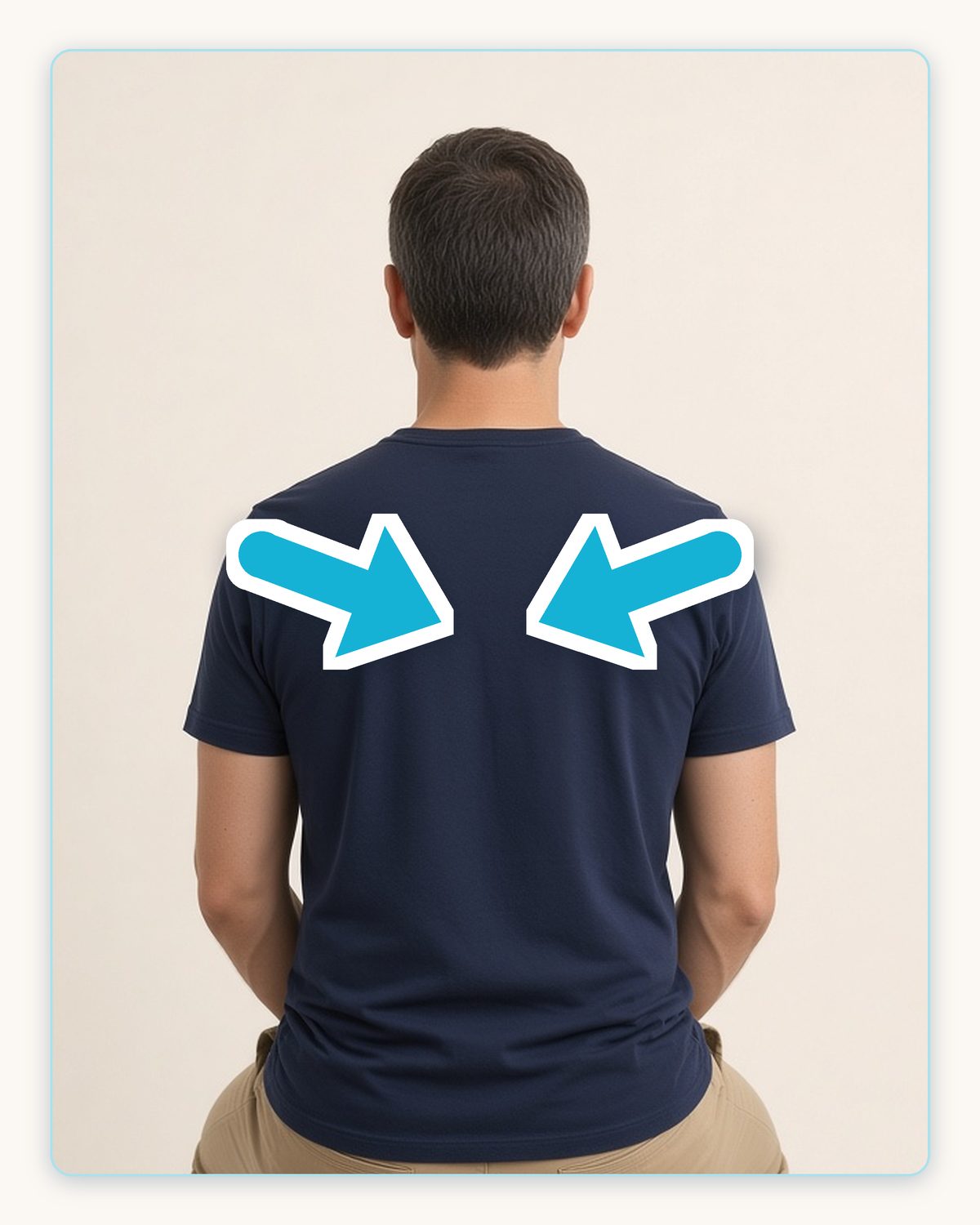
Bend your elbows to 90 degrees, like you are holding two mugs. Draw your shoulder blades back and slightly down, as if you were pinning a pencil between them. No shrugging toward your ears. Keep your neck long and stacked from Step 1.
Step 3. Doorway pec stretch (15 seconds, twice)
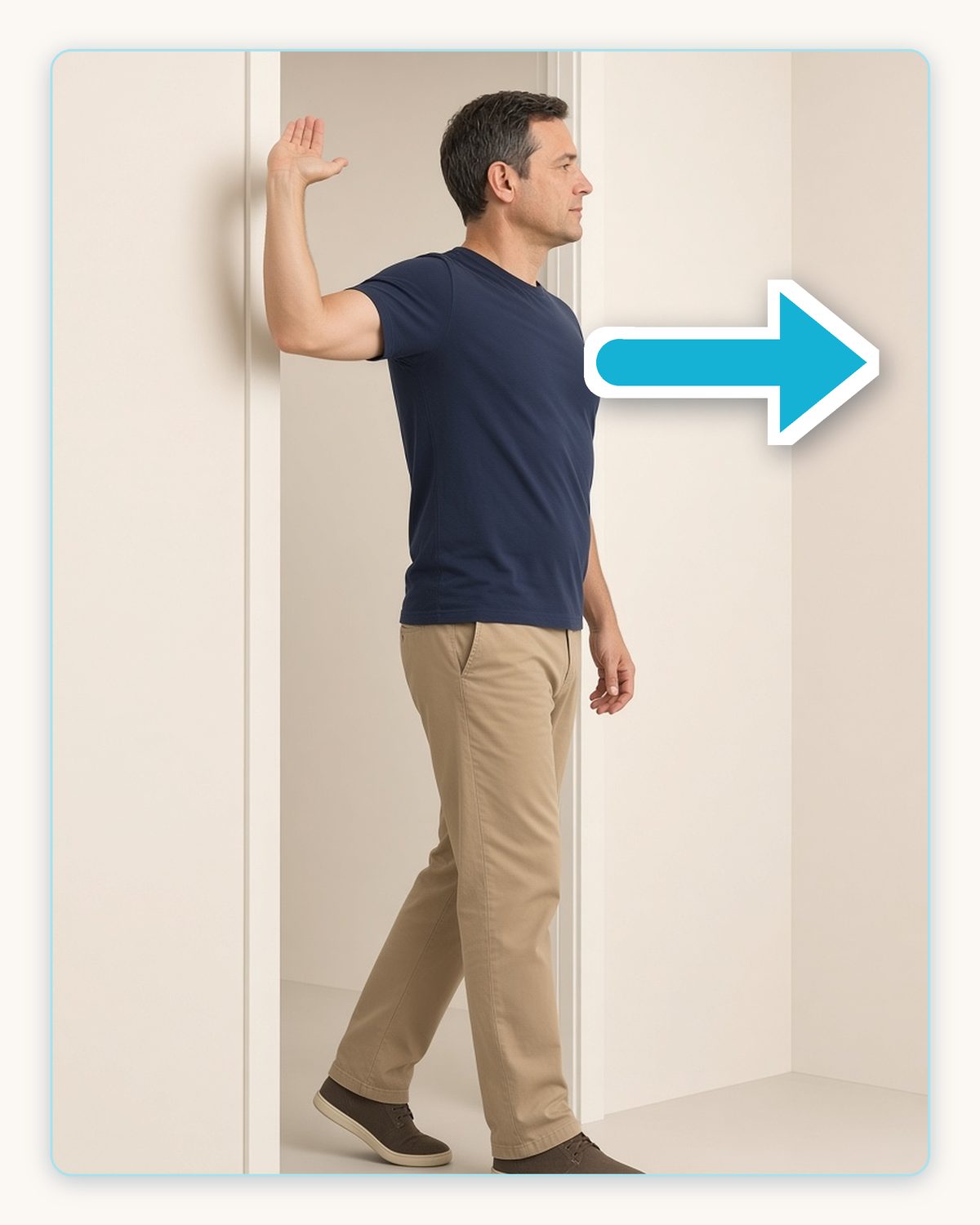
Stand in an open doorway with your arms in a goal post shape, elbows bent about 90 degrees, forearms on the frame. Slowly step one foot forward and stand tall, ribs stacked over your hips. Feel the stretch across your chest and the front of your shoulders, not a pinch in the joint. The doorway pec stretch corrects rounded shoulders. If the front of your shoulder pinches, drop your elbows a little or skip it.
Step 4. Upper trap stretch (15 to 30 seconds each side)
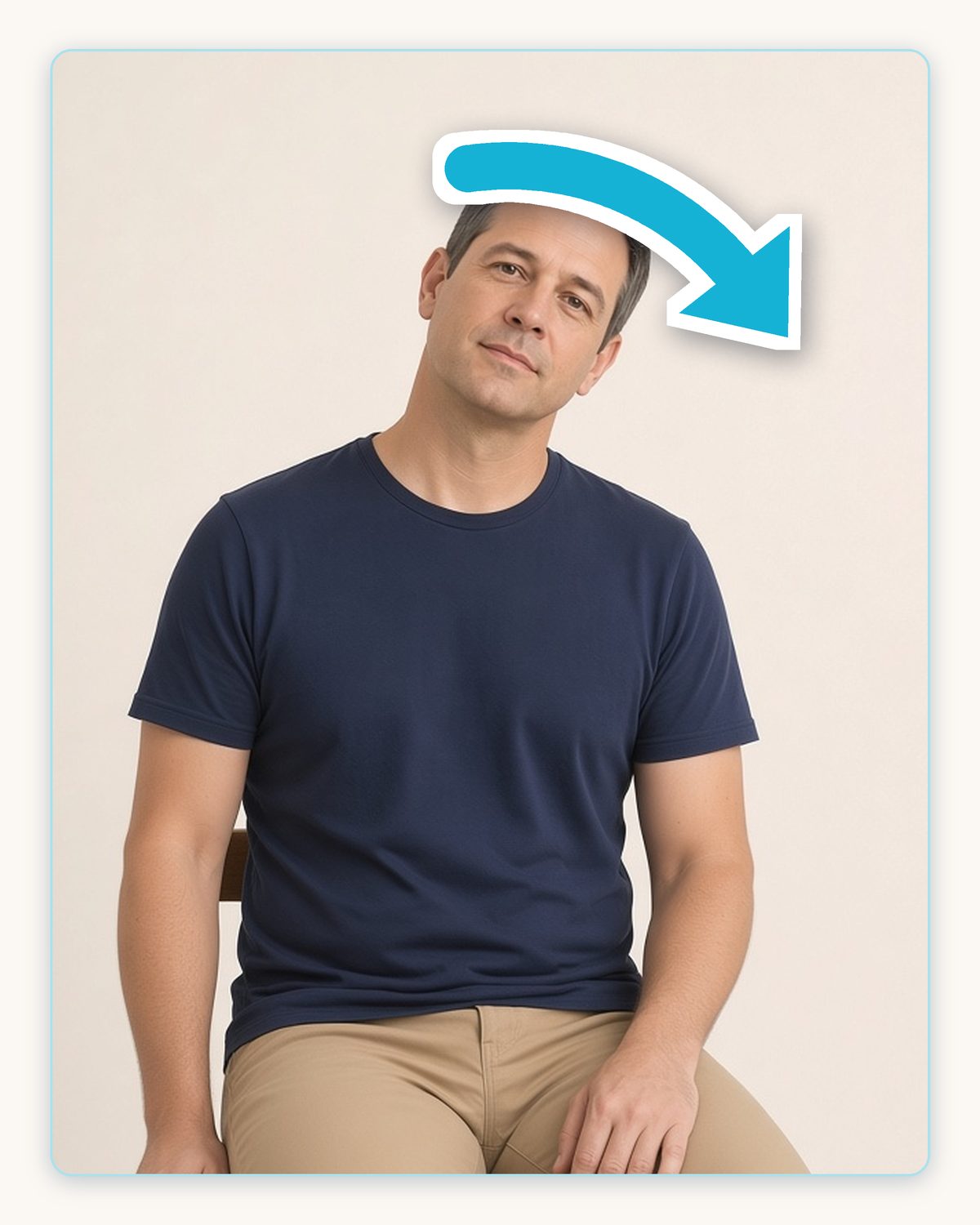
Sit tall and hold the edge of your chair with the hand on the side you want to stretch. Tilt your ear toward the opposite shoulder and let the weight of your head do the work. Face stays forward. No pulling, no bouncing. Switch sides.
Step 5. Mid back extension over the chair (5 slow reps, 3 second holds)
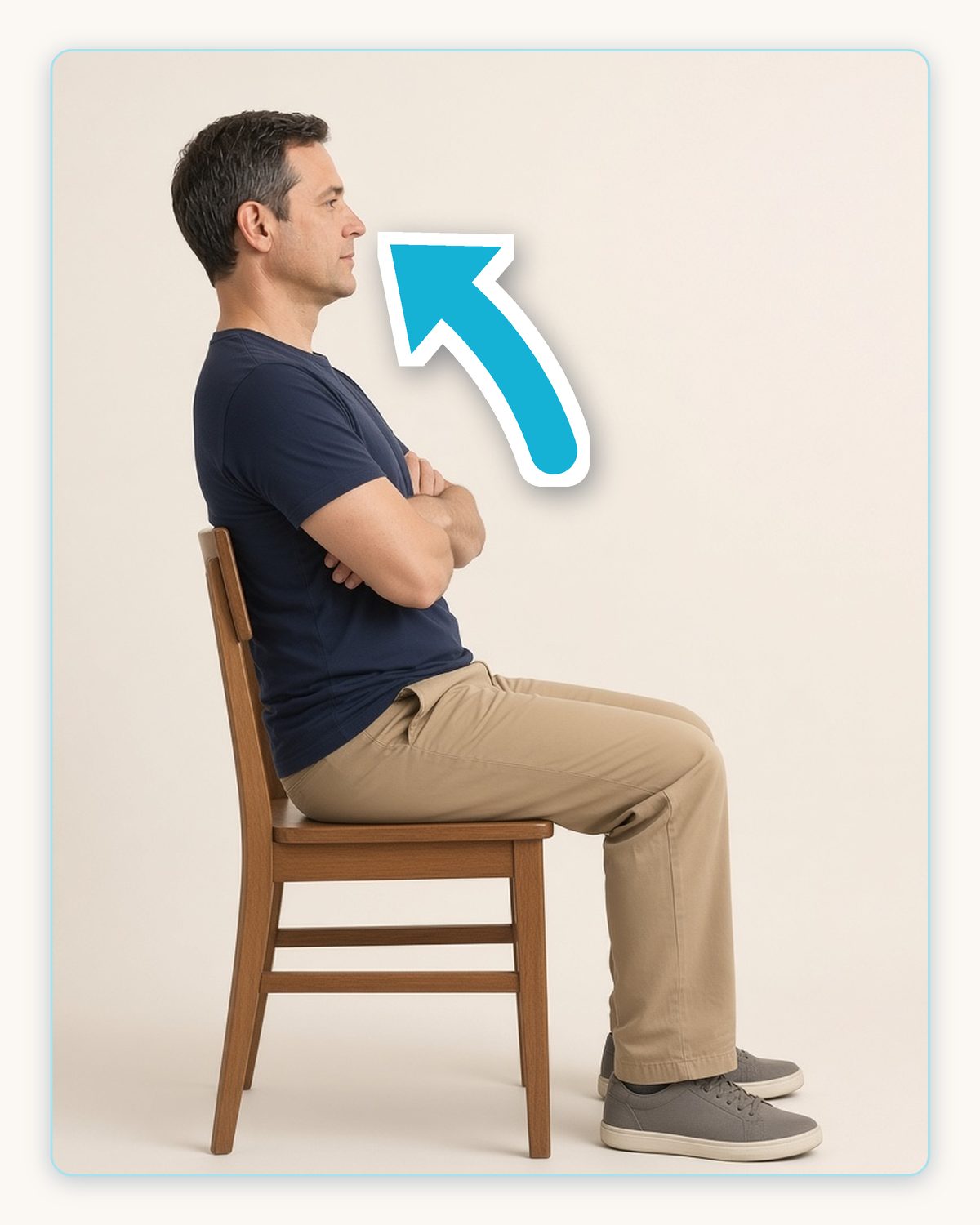
Sit on a sturdy chair that will not roll, with the top of the backrest at your mid back. Cross your arms over your chest and ease up and over the backrest. Hinge from the mid back. Keep a long neck; eyes stay on the horizon.
Step 6. Screen height reset (20 seconds)
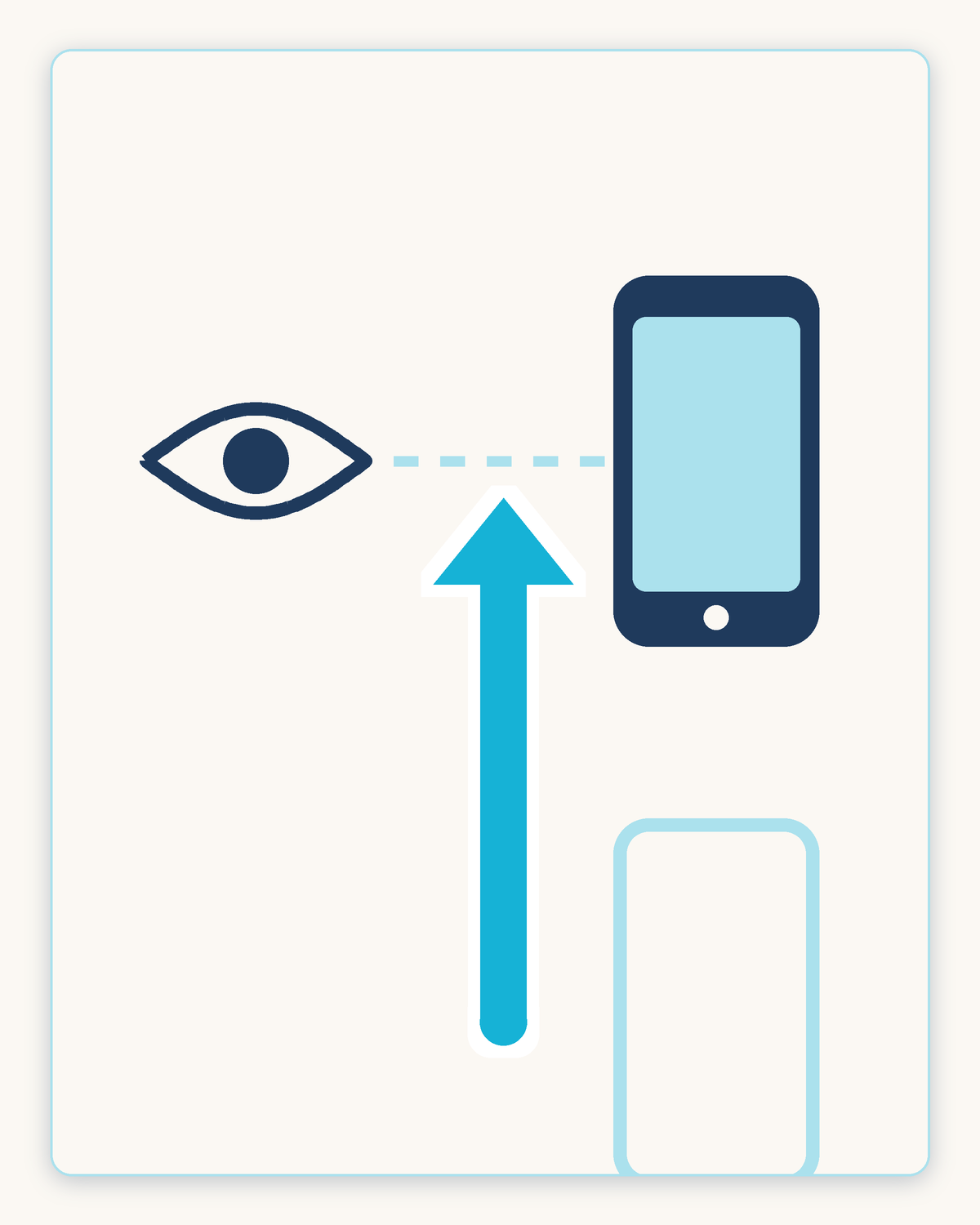
Before you pick the phone back up, bring the screen toward eye level. Prop a tablet on a pillow instead of your lap. Stand up and walk for a few minutes every hour. In the car, raise your phone only at a full stop, never while driving.
Safety first
Stop if you feel sharp pain, spreading pain, dizziness, a new or severe headache, or numbness, tingling, or weakness in your arms or hands, and give us a call. Skip Step 5 if you have been told you have osteoporosis or a recent spinal fracture.
When to get checked
This reset is general movement education. It is not a diagnosis, a treatment plan, or a substitute for an exam. Please get checked before doing these moves, or stop and call us, if:
- Neck pain comes with a severe headache, vision changes, or numbness, tingling, or weakness in your arms or hands.
- You have had a recent crash, fall, or other trauma.
- You have a fever, unexplained weight loss, or a cancer history along with neck pain.
- The tightness keeps coming back no matter how often you stretch.
If this reset feels useful but the tightness keeps returning, I would rather look with you than have you stretch into a problem. At Heart & Hand Chiropractic we look at how your spine moves and how your nervous system is communicating, not only where it hurts, because subluxation can interfere with brain-body communication.
Learn more at The Clear Signal Live
Want to go deeper? Join us Tuesday, Nov 10 at 6:00 PM for our Tech Neck workshop at The Clear Signal Live, in the office and on Zoom. All workshops: https://hnhchiro.com/upcoming-workshops/
Book a Complimentary Spinal Screening
We will look, listen, and talk with you about what we find. No pressure.
Book a Complimentary Spinal Screening
Or call us: (970) 377-3557
Sources
- Underhill, Fedorchuk, Fedorchuk & Lightstone (2026). Healthcare 14(3):373. doi:10.3390/healthcare14030373 · PubMed 41682224 · Dr. Curtis Fedorchuk, DC
- Harvard Health: 6 ways to ease neck pain
- Hospital for Special Surgery: 5 ways to relieve your neck pain
- Shoulder blade squeeze: Denver Shoulder · Hinge Health
- OSF HealthCare: Doorway Pectoral Stretch
- Columbia / NewYork-Presbyterian: Upper trapezius stretch
- Mid back extension: NHS OPAL · RangeMaster
- WebMD: Neck exercises dos and don’ts
This article is for education only. It is not a diagnosis or a substitute for an exam.